If you plan to stay in the Upper East Side for years, the address itself matters almost as much as the apartment. A beautiful renovation can catch your eye today, but long-term value often comes from block character, building stewardship, and ownership structure. If you want an Upper East Side home that still feels well chosen years from now, this is where to focus. Let’s dive in.
Why some Upper East Side addresses age well
The Upper East Side has an unusual advantage in Manhattan: a large share of its character is protected by preservation rules and older building patterns. The Landmarks Preservation Commission designated the Upper East Side Historic District in 1981, and the later extension reinforced that protected streetscape.
That matters because historic districts are not just about appearance. The Commission describes them as collections of landmark buildings that create a distinct sense of place, and owners of designated buildings generally need approval for most exterior changes. In practical terms, an address in a protected context may be more likely to retain the street character that drew you there in the first place.
The neighborhood also benefits from a strong overall housing profile. City health and housing data show that 95.2% of homes in the Upper East Side are near structures rated good or excellent, with lower-than-most neighborhood rates of cracks, peeling paint, leaks, and renter-reported housing problems. Those are neighborhood averages, not promises about any specific building, but they help explain why the area is often seen as durable over time.
Start with the block, not just the unit
When buyers evaluate the Upper East Side, they often focus first on interior finishes, ceiling height, or light. Those details matter, but the block can shape your daily experience and long-term value just as much.
NYC Planning’s residence-district guide shows an important pattern across the Upper East Side. Many avenues are mapped for larger apartment buildings and street-level retail, while narrower side streets often follow more contextual rules that keep new development aligned with the existing block pattern.
That creates meaningful differences from one address to the next. An avenue address may feel more active and more changeable over time, while a side-street address may read as more consistently residential. Neither is automatically better, but they offer different versions of Upper East Side living.
What to notice on an avenue
Avenue addresses can offer convenience, scale, and stronger retail access at street level. They may also sit in zoning contexts that allow larger buildings, which can influence how a block evolves.
If you are considering an avenue building, pay attention to the surrounding street wall, nearby retail intensity, and how much future change the block pattern seems built to absorb. For some buyers, that energy is a plus. For others, a quieter block will age better for their lifestyle.
What to notice on a side street
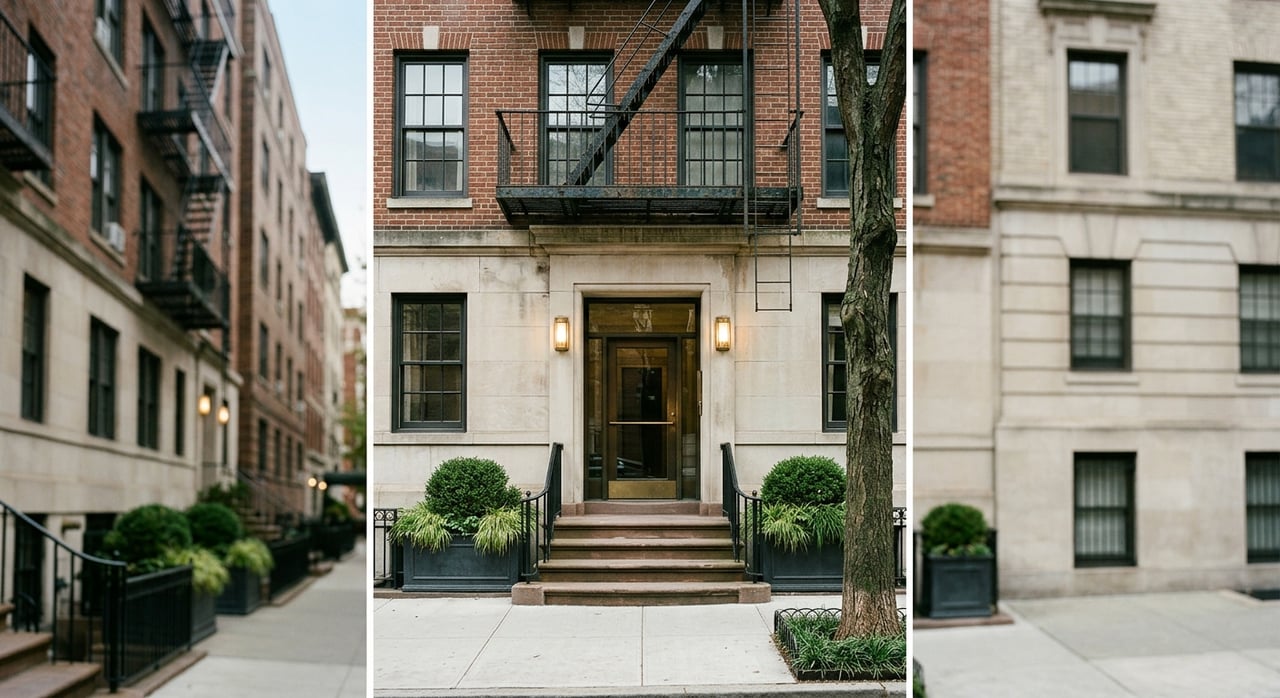
Side streets often feel more visually consistent because the building line and scale tend to relate more closely to the existing block. That can support a stronger sense of continuity over time.
If your goal is a classic Upper East Side setting, a narrower residential block may deserve extra weight in your search. The point is not to romanticize one type of street, but to match the address to the way you want the home to perform over a long hold period.
Historic district status can shape longevity
On the Upper East Side, landmark status is not a minor detail. It can be part of why an address holds its identity so well.
According to the Landmarks Preservation Commission, designated properties must be kept in a state of good repair, and most exterior work affecting protected features requires Commission approval. That does not stop change altogether, but it does create a framework that can help preserve the look and rhythm of a block.
For you as a buyer, the key question is practical: is the building in a historic district or otherwise landmarked, and what does that mean for future exterior work? The answer can affect renovation timing, facade decisions, and the degree to which the building’s exterior character is likely to remain consistent.
Building quality is the real durability test
A neighborhood may age well, but a specific building still has to earn your confidence. This is where many smart buyers shift from aesthetics to evidence.
The New York State Attorney General recommends looking beyond finishes and examining the facade, roof, flooring, appliances, sub-soil conditions, elevators, HVAC, windows, electrical wiring, and plumbing. In existing buildings, recurring large-ticket issues often involve facade work, pointing, roof and elevator repairs, plumbing upgrades, electrical upgrades, and boiler replacements.
These are not small details. They are often the difference between a building that feels stable and one that becomes expensive in waves.
Documents that matter most
If you want to know how a building may age, read the documents that reveal how it has been managed. The Attorney General specifically advises buyers to review:
- Offering plans
- Board minutes
- Financial reports
- Violation history
This is often where major future costs show up first. A polished lobby can look reassuring, but board minutes may tell you much more about facade conditions, elevator planning, window replacement, or deferred infrastructure work.
Questions worth asking
As you compare Upper East Side buildings, keep a focused checklist:
- Has the facade needed recent or recurring work?
- Is the roof nearing a major repair cycle?
- Have elevators been upgraded or flagged for future work?
- Are there signs of plumbing or electrical modernization needs?
- If the building is landmarked, how does that affect exterior maintenance planning?
A well-run building does not need to be perfect. It needs to show a pattern of responsible stewardship.
Co-op or condo: choose the model that fits
On the Upper East Side, the apartment and the ownership model are deeply connected. A classic co-op and a newer condo may look similar in photos, but they can age very differently as ownership experiences.
In a co-op, you buy shares in a corporation and receive a proprietary lease for the apartment. Maintenance charges are tied to the shares allocated to your unit, and the building is governed by a board elected by shareholders.
That structure often creates a more rules-based culture around upkeep and use. For some buyers, that supports long-term stability. For others, it may feel more restrictive than they want.
A condo works differently. According to the Attorney General, condo boards must follow the declaration, by-laws, and house rules, use prudent business judgment, and keep records and annual reports available to owners. Expenses are allocated according to each unit’s common interest.
The long-term question is not which model is universally better. It is which governance style supports your intended hold period, flexibility needs, and comfort with building rules.
When a co-op may age well for you
A co-op may be a strong fit if you value structure, consistency, and a building culture that often emphasizes upkeep. On the Upper East Side, that can align well with classic prewar inventory and long-established ownership patterns.
You should still review the proprietary lease, maintenance structure, and sublet provisions carefully. Those details help define how the apartment will function as an asset over time.
When a condo may age well for you
A condo may suit you if you want a different governance framework or are comparing newer product. The Attorney General advises buyers not to rely on marketing language alone and to verify physical condition and sponsor commitments in writing through the offering plan.
That step is especially important in newer buildings. A sleek presentation is not the same thing as proven long-term performance.
East River exposure deserves extra diligence
Not every Upper East Side block carries the same climate-related considerations. Address-level due diligence matters, especially as you move closer to the East River.
The Upper East Side climate and health profile shows that 28% of residents live in hurricane evacuation zones. The same profile reports 22% grass and tree cover, which is lower than most neighborhoods.
Those figures do not tell you the fate of any specific building. They do suggest that exposure, shade, and address-level flood risk deserve a closer look when you are evaluating long-term comfort and resilience.
A simple way to think about river-adjacent addresses
If you are considering an east-side or river-adjacent address, do not stop at the apartment layout. Confirm whether the building sits in an evacuation zone and weigh that context alongside the building’s physical condition and management profile.
This is not about ruling out part of the neighborhood. It is about making a more informed decision on a block-by-block basis.
A practical framework for choosing well
If your goal is an Upper East Side address that ages well, try viewing each option through four lenses:
- Block character: Is the address on an avenue, side street, or river edge, and how might that affect change over time?
- Preservation context: Is the building in a historic district or otherwise landmarked?
- Building stewardship: What do the financials, minutes, and physical systems tell you?
- Ownership fit: Does the co-op or condo structure align with how you plan to live and hold the asset?
This framework helps you move past surface appeal. It also gives you a clearer way to compare two apartments that may look similar online but offer very different long-term outcomes.
On the Upper East Side, aging well is rarely about one dramatic feature. More often, it comes from a quiet combination of a stable block, disciplined maintenance, and a building structure that supports your goals. That is the kind of decision that tends to look smarter with time.
If you want a strategic read on a specific Upper East Side co-op or condo, Shelley Kaminer brings a precise, design-aware Manhattan perspective to buyer and seller decisions.
FAQs
What makes an Upper East Side address age well over time?
- An address tends to age well when the block retains its character, the building shows strong maintenance and financial stewardship, and the ownership structure fits your long-term plans.
How does landmark status affect an Upper East Side building?
- In designated properties, most exterior work affecting protected features requires Landmarks Preservation Commission approval, and the building must be kept in a state of good repair.
Should I choose an Upper East Side avenue or side street address?
- Avenue addresses often offer more activity and retail presence, while side streets often follow a more consistent residential block pattern. The better choice depends on your lifestyle and long-term priorities.
What building documents should I review before buying an Upper East Side co-op or condo?
- Focus on the offering plan, board minutes, financial reports, and violation history, since these often reveal major repairs, recurring issues, and future capital needs.
How should I compare an Upper East Side co-op and condo?
- Compare the governance style, charges, rules, and long-term flexibility. A co-op and a condo may look similar, but they can function very differently as ownership experiences.
Why does East River proximity matter on the Upper East Side?
- Neighborhood data show meaningful hurricane evacuation exposure in the Upper East Side, so river-adjacent addresses deserve added attention to evacuation-zone status, exposure, and address-level flood risk.