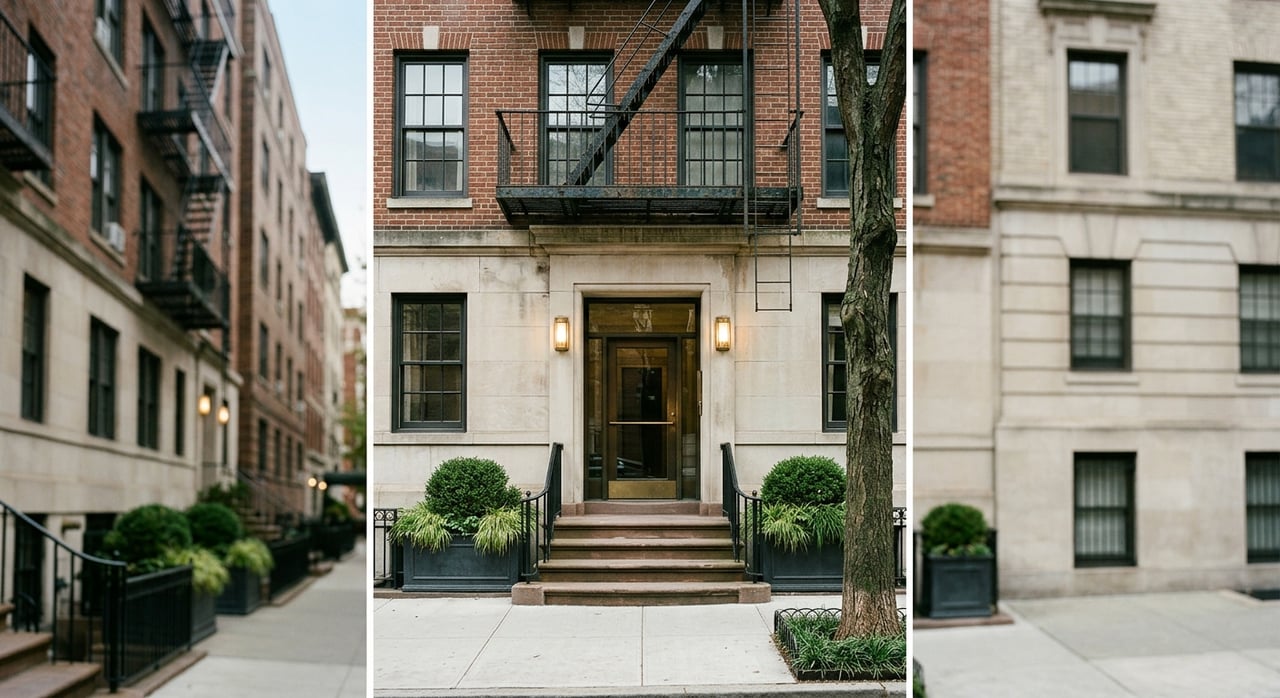
If you are torn between a sleek new condo and a character-rich prewar loft in Chelsea, you are asking the right question. These two property types can feel worlds apart, even when they sit just blocks from each other. The right choice depends less on trend and more on how you want to live, what costs you can comfortably carry, and how you think about long-term value. Let’s dive in.
Why Chelsea Offers Both
Chelsea is one of Manhattan’s clearest examples of a mixed housing market. Its industrial history, adaptive reuse, and newer residential development all show up in today’s inventory, which is why you can still find converted lofts, older co-ops, and newer condo buildings in the same neighborhood.
That mix also shows up in pricing. In April 2026, Chelsea’s median sale price was $1.7 million overall, with condos at $2.3 million and co-ops at $887,000. That spread is a useful reminder that the choice between new development and older loft-style living is often also a choice between different ownership structures, monthly costs, and entry points.
New Development in Chelsea
New development condos often appeal to buyers who want a more turnkey experience. You may be looking for central air, newer systems, elevators, fitness spaces, roof decks, or a staffed building. In Chelsea, that can mean a polished, low-immediate-maintenance lifestyle with a clean, contemporary finish.
But in New York, amenities and finishes are not simply marketing language. They are governed by the building’s offering plan. If you are buying in an under-construction building, the sponsor’s obligations for unit size, ancillary spaces, appliances, recreational facilities, rooftop cabanas, and other promised features must be written into that plan.
That point matters. Buyers are specifically warned not to rely on renderings or sales presentation language alone unless those features appear in the offering plan. For a buyer, that means the real due diligence is not just aesthetic. It is contractual.
What New Development Often Delivers
New development tends to attract buyers who value clarity and convenience. In practical terms, that can include:
- Newer building systems
- Contemporary layouts and finishes
- More predictable early-stage maintenance needs
- Amenities spelled out in the offering plan
- Condo ownership structure, which many buyers find straightforward
That does not make every new development equal. Building quality, monthly charges, tax treatment, and the exact language of the offering plan still matter.
What Prewar Loft Living Offers
Chelsea’s loft inventory is rooted in the neighborhood’s industrial past. The official West Chelsea historic district material highlights large industrial buildings, broad expanses of glazing, and strong natural light, which helps explain why loft living still has such a distinct draw here.
If you are attracted to volume, scale, and architectural personality, a prewar loft may feel hard to replace. You may find higher ceilings, larger windows, more flexible open layouts, and details that do not exist in newer buildings. For many buyers, that quality of space is the whole point.
Chelsea also includes manufacturing districts where residential conversion is permitted in selected M1 areas. That zoning context is part of why loft stock has remained a real part of the neighborhood rather than a disappearing niche.
What to Know About Older Loft Buildings
Older loft and co-op buildings can offer a compelling entry point, but they usually require a more careful review. Existing buildings may already have known issues, and buyers are advised to study offering plans, board minutes, and financial reports.
The most expensive recurring issues in older buildings are often:
- Facade work
- Roof repairs
- Elevator repairs
- Plumbing replacement
- Electrical upgrades
- Boiler replacements
In some former commercial or manufacturing buildings, the Loft Law and Loft Board framework may still be relevant. That framework governs the legalization of certain interim multiple dwellings and requires them to be brought up to residential code standards.
The Cost Difference Is Bigger Than Style
Many buyers start this comparison by focusing on finishes and atmosphere. In reality, the more important distinction may be monthly carrying cost and building predictability.
Manhattan-wide data from Q4 2025 showed average co-op maintenance at $2,938, compared with average condo common charges plus real estate taxes of $5,013. That is not Chelsea-only data, but it does illustrate a common New York reality: condo ownership can come with a materially higher all-in monthly bill once taxes are included.
This is one reason older co-ops and loft-style homes continue to attract buyers. The purchase price may be lower, and the monthly structure can also be more efficient. That said, lower monthly carrying costs do not always mean lower long-term costs if a building faces major capital work.
Taxes Can Affect the Equation
Tax treatment can also shape the true cost of ownership. The current 421-a program applies only to projects that commenced construction between January 1, 2016 and June 15, 2022, so many post-2022 developments cannot newly enter that program.
At the same time, eligible co-op and condo buildings may receive the city’s cooperative and condominium property tax abatement if the building applies and renews properly. In practice, this means your monthly ownership cost should be reviewed building by building, not assumed based on product type alone.
Condo Versus Co-op Matters Too
In Chelsea, the new development versus loft question often overlaps with the condo versus co-op question. New York State defines a co-op as shares in a corporation with a proprietary lease, while a condo is separate ownership of a unit plus an undivided interest in the common elements.
That difference can shape your buying experience and resale audience. Condos often appeal to a broader pool of future buyers because the ownership structure is simpler. Co-ops, by contrast, can appeal to buyers who value price efficiency and a more established building culture.
Neither is automatically better. The stronger choice depends on your budget, timeline, tolerance for review and due diligence, and the quality of the specific building.
Resale in Chelsea Is Not One Market
It is a mistake to think of Chelsea inventory as one interchangeable category. Recent Manhattan data shows that co-ops, resale condos, and new development condos function as distinct submarkets.
In Q4 2025, Manhattan co-op sales rose 7% year over year, condo sales rose 3.4%, the median co-op resale price was $825,000, the median condo resale price was $1.661 million, and the median new development condo price was $2.285 million. Those are meaningful differences in product, pricing, and buyer pool.
Chelsea-specific numbers reinforce the same pattern. In April 2026, there were 34 condo transactions at a $2.3 million median and 37 co-op transactions at an $887,000 median. That suggests the comparison is less about modern versus old and more about whether you want higher-priced turnkey condo living or a lower-entry, character-rich older property with a different operating profile.
Which Option Fits You Best?
If you value convenience, newer systems, and a polished amenity package, a Chelsea new development may fit your priorities. You may be paying more up front and each month, but you are often buying predictability, contemporary finishes, and a condo structure that can be easier to explain and resell.
If you care more about scale, texture, flexibility, and architectural character, a prewar loft or older co-op may be the better match. You may gain space and personality at a lower entry point, but you should be ready for more building-level diligence and a closer review of future capital needs.
The key is to compare the actual asset, not just the category. In Chelsea, two homes with the same square footage and similar asking prices can offer very different value once you factor in ownership structure, monthly costs, condition, and resale positioning.
A strategic decision here is rarely about chasing the newest option or the most romantic one. It is about understanding what is rare, what is durable, and what best aligns with how you want to live and hold value in Manhattan.
If you are weighing a Chelsea condo against a prewar loft, working with someone who understands both product types can make the decision far clearer. For tailored guidance on Chelsea co-ops and condos, connect with Shelley Kaminer.
FAQs
What is the main difference between Chelsea new development and prewar loft living?
- Chelsea new development usually offers newer systems, modern finishes, and amenities defined by an offering plan, while prewar loft living typically offers industrial character, larger windows, and more flexible open space in older buildings.
Are Chelsea new development condos more expensive than older co-ops?
- Yes. In April 2026, Chelsea condos had a median sale price of $2.3 million, while co-ops had a median sale price of $887,000.
Do Chelsea prewar lofts usually have lower monthly costs than condos?
- Often, yes. Manhattan-wide Q4 2025 data showed average co-op maintenance at $2,938 versus average condo common charges plus taxes at $5,013, though each building should be evaluated individually.
What should you review before buying a Chelsea new development condo?
- You should carefully review the offering plan, because promised unit features, amenities, appliances, and ancillary spaces must be written into that document rather than assumed from renderings or sales materials.
What should you review before buying a Chelsea older loft or co-op?
- You should review the building’s offering plan, board minutes, and financial reports, since older buildings may already have known repair needs or capital projects.
Can Chelsea loft buildings still be subject to New York City Loft Law rules?
- Yes. Some former commercial or manufacturing spaces may still fall under the Loft Law and Loft Board framework, which regulates legalization and residential code compliance for certain interim multiple dwellings.
Is resale easier for a Chelsea condo than a co-op?
- A condo may appeal to a broader future buyer pool because the ownership structure is simpler, but resale still depends on pricing, layout, building quality, and the operating budget.