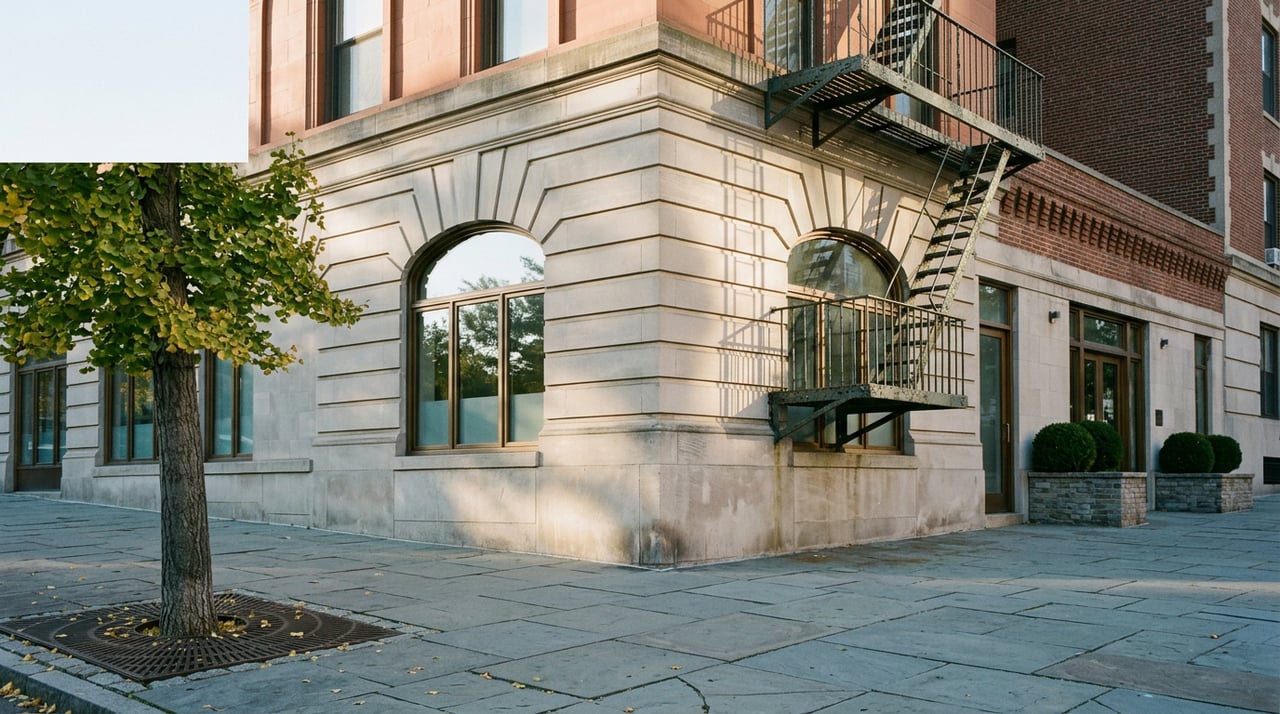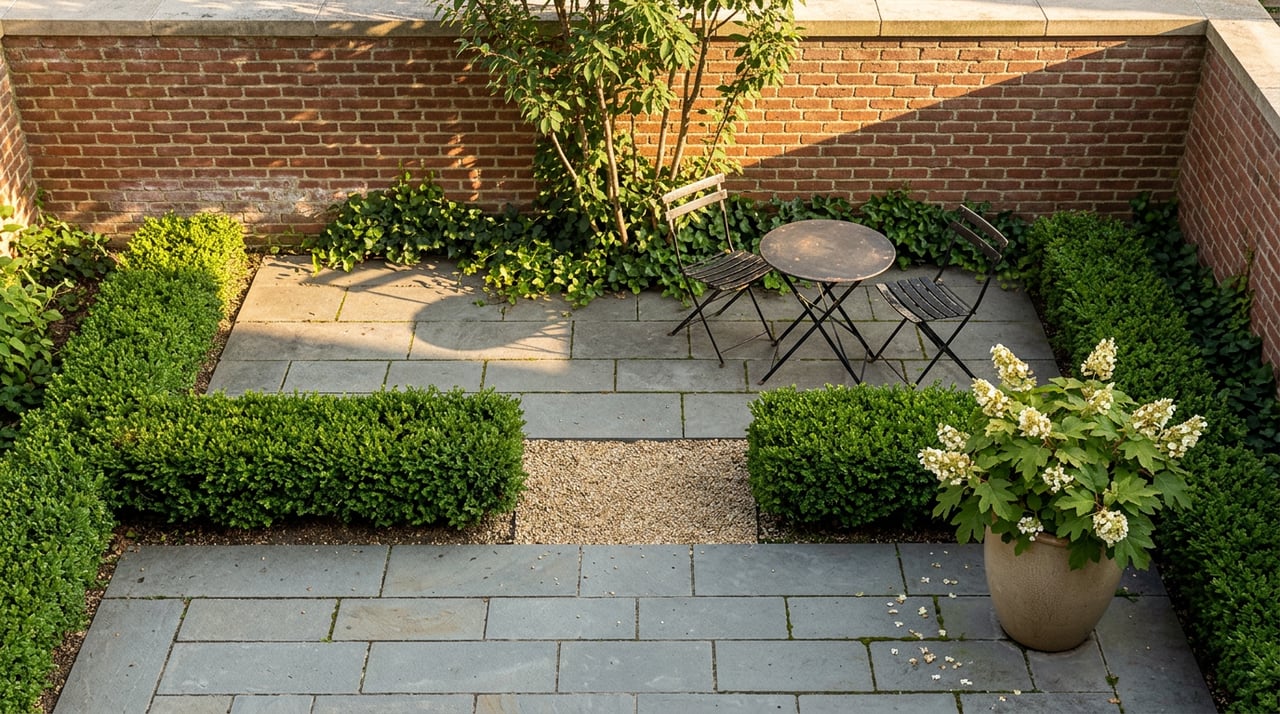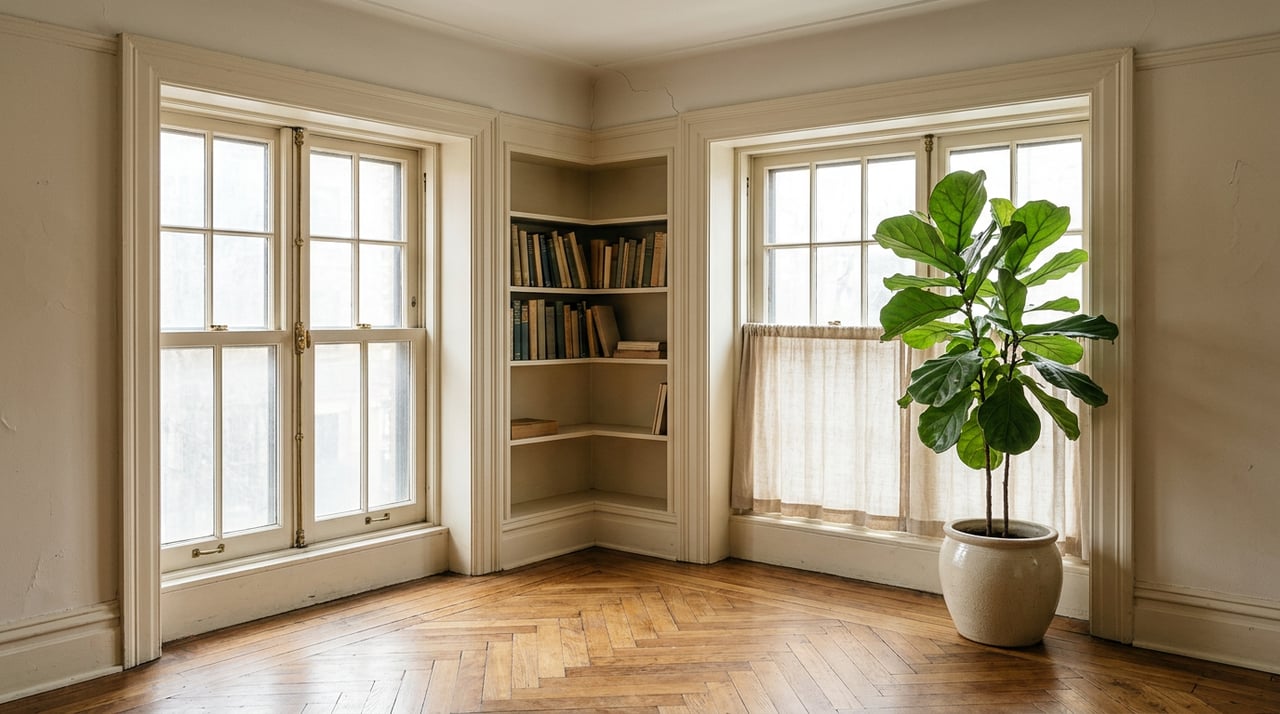
Scroll through active Gramercy Park listings and you'll notice the same phrase surfacing again and again: comes with a key to the park. It shows up in nearly every third one, worded as if the sentence alone should settle the price. The key is real. It is genuinely hard to get. But when a city agency sat down and actually compared similar co-ops with and without park access, the finding should change how you read every one of those listings from now on.
That deed is nearly two hundred years old, the supply of eligible buildings cannot grow, and the mythology around the key is thick enough that most buyers assume it functions like a line item they can price into an offer. The data says otherwise. What actually swings price in this micro-market has almost nothing to do with the fence.
A Deed From 1831 Sets a Ceiling That Can't Move
Samuel Ruggles laid out the original lots around Gramercy Park in 1831 and deeded the park itself to the surrounding owners rather than the city. The gates have been locked since 1844. Today, key rights sit with 39 buildings occupying 63 of those original lots, with roughly 383 keys in circulation among their residents. No 40th building can join. No amount of renovation, marketing, or proximity creates a new lot.
The arrangement comes with upkeep. The Gramercy Park Trust levies an annual per-lot assessment long set near $7,500, and a building that falls behind loses key privileges for every unit inside, not just the one that missed the payment. That detail matters more than it sounds like it should, and we'll come back to it.
The fixed-supply story is exactly why the key feels like it must drive price. Scarcity that absolute usually does. It's just not what the numbers show.
What the City's Own Numbers Say
In 2024, New York City's Independent Budget Office ran the comparison directly: similar co-ops with park keys against similar co-ops without them. The analysis found no notable difference in market value, assessed value, or property tax per square foot between the two groups.
That doesn't mean buyers are indifferent to the key. It means the market isn't assigning it a clean, separable dollar figure the way casual claims of a flat 15 to 25 percent premium suggest. If a formula like that existed consistently, an official citywide valuation exercise built to isolate exactly this kind of amenity would have picked it up. It didn't.
Where the Real Price Spread Actually Lives
Inside a single key-eligible building, the swings that do show up are large. A renovated two-bedroom in a well-run co-op with confirmed park keys can trade above $2,000 per square foot, while an untouched unit two floors down, same board, same key eligibility, sits closer to $1,400. That gap has nothing to do with the fence outside and everything to do with what's been done to the kitchen and the wiring.
Ownership structure tells a similar story at the neighborhood level. Condo inventory in and around the park consistently prices higher per square foot than comparable co-ops, a function of easier resale, broader buyer eligibility, and fewer restrictions on subletting or corporate ownership, not distance to the gate. In March 2026, PropertyShark reported a median condo sale price of $1.6 million in Gramercy against a median co-op sale price of $712,000. That spread dwarfs anything a key could plausibly add on its own.
New construction directly on the park is rare enough to prove the point. When Zeckendorf built 18 Gramercy Park South with interiors by Robert A.M. Stern, it became one of just a few new condominiums with direct frontage on the park, a rarity given how tightly development along the fence is constrained. Buyers there are paying for full-floor layouts and current systems in a building type that almost never gets built here, with the key as part of the package rather than the reason for the number.
The headline stats for the neighborhood make more sense once you separate listing activity from closed activity. In June 2026, the median listing price across roughly 215 active Gramercy Park listings sat at $1,257,500, with homes taking a median of 44 days to sell and closing an average of 3.18 percent below asking. Closed-sale data for the prior month told a different story.
| June 2026 active listings | May 2026 closed sales | |
|---|---|---|
| Median price | $1,257,500 | $981,000 |
| Sample | ~215 listings | closed transactions |
| Median price per square foot | — | $1,592 |
| Median days on market | 44 | — |
| Average discount to ask | 3.18% | — |
Read those two medians side by side and the gap is far wider than a 3 percent average discount would predict. That's because the two figures don't describe the same pool of homes. Larger, renovated, park-adjacent units sit on the market and list high. What actually closes in any given month tends to skew smaller and plainer. Swap a handful of large renovated sales for a handful of modest studios in a single month and the reported median moves more than the key access ever will.
The Diligence a Key Deserves
Proximity to the fence and a key that opens it are two different products, and treating them as the same thing is the most common mistake in this micro-market. A brownstone on East 19th Street's celebrated Block Beautiful, or a building fronting Third Avenue, can sit a hundred feet from the gate and never qualify. Only the 39 deeded addresses do.
Even inside an eligible building, confirm two things before a key influences your offer. First, whether the building is current on its Trust assessment, since a lapse revokes privileges for every unit, not just one owner's. Second, whether the key transfers automatically to a buyer at closing or requires a separate application to the co-op or condo board. A listing agent's mention of park access is not the same as a right that's been confirmed in writing.
Access Gets Renegotiated, Even Now
The Gramercy Park Hotel, at 2 Lexington Avenue, has been closed since 2020. MCR acquired the ground lease in 2023 and has talked about restoring the property, with an earlier target of reopening by spring 2026. As of this summer, the hotel remained closed.
What's playing out there this year is a useful reminder that access in this neighborhood isn't settled just because a deed says so. Residents of 50 Gramercy Park North, the residential tower that shares the building with the hotel, filed suit alleging their access to a shared rooftop had been cut off since May 18, 2026, as MCR builds out what city records show has been approved as a restaurant. The residents still hold their keys to the park itself while the case moves through the courts. What the dispute shows is that even in a building with confirmed park access, the exact scope of what "access" includes at the building level can still end up in litigation.
What This Means for a Buyer or Seller
If you're comparing a key-eligible listing against another Manhattan co-op or condo, price the apartment the way you'd price any Manhattan apartment first: condition, layout, light, and the building's financial health. Then treat the key as the lifestyle layer on top, confirmed in writing rather than assumed from a listing phrase. If you're selling into this market, the key is a real story worth telling, but a clean renovation and a building current on its obligations will move your number more reliably than the phrase alone.
A Few Questions Worth Settling Upfront
Does every address near Gramercy Park come with a key? No. Only the 39 buildings sitting on the original 63 lots from the 1831 deed hold key rights. A building can face the park directly and still not qualify if it isn't one of the deeded lots.
Can you get access without owning one of those 39 addresses? A handful of institutions hold access outside the residential stock, including the National Arts Club, the Brotherhood Synagogue, and Calvary-St. George's Church. Owners at 57 Irving Place, several blocks from the park itself, gained a path to access only because the building's developer arranged membership in the Players Club, which holds its own key rights.
If you're weighing a Gramercy Park listing against another central Manhattan address, or wondering whether a building's park access will actually mean anything to your resale, Shelley Kaminer can walk through the building-specific details before you write an offer. Let's Connect.